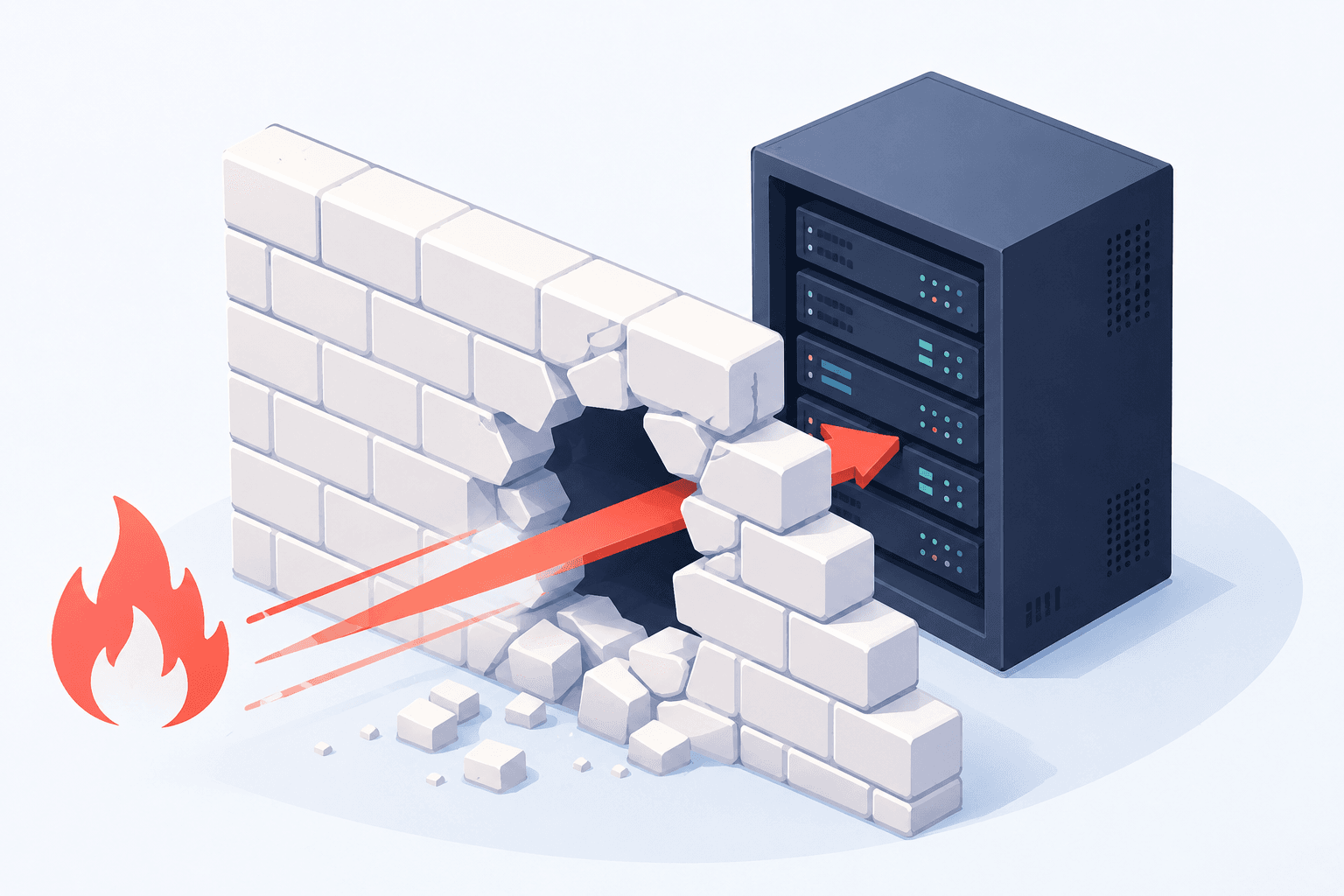
As we write this, Proton’s status page is a wall of red. A global outage that began at 00:09 CEST on August 27 has taken down Proton Mail entirely, incoming and outgoing, along with Calendar, Drive, Docs, Pass, Wallet, and SimpleLogin. Proton VPN is limping along in partial outage. The incident is still unresolved, and Proton says it is investigating.
No cause yet, no timeline yet. If you run your business on Proton, none of that matters right now anyway. What matters is that your email, your files, your calendar, and possibly your passwords are all unreachable at the same time.
This Is Not a Proton Problem
Let us be clear up front: Proton is a good company running good services. Their privacy engineering is real, and their status history shows a clean two weeks before tonight. This is not a story about Proton being bad at infrastructure.
It is a story about arithmetic. GitHub went down for three hours last week and froze development teams worldwide. Cloudflare has taken half the internet with it more than once, which is why we wrote about building a resilient stack and keeping alternatives ready. Every provider, no matter how competent, eventually has a very bad day. The only question is what happens to your business when they do.
The Real Lesson: Bundles Fail as Bundles
Proton’s pitch is one account for your whole digital life: mail, calendar, files, documents, passwords, even a wallet. It is a genuinely convenient product decision. Tonight it is also the problem, because the whole digital life went down as one unit.
Think about what that combination means in practice. Your email is down, so you cannot tell clients you are unreachable. Your calendar is down, so you do not know who you are meeting tomorrow. Your files are down, so you cannot pull up the proposal you were supposed to send. And if your password manager cannot sync, you may be locked out of the services that are working. One vendor, one outage, entire workday gone.
Consolidation is a trade. You get simplicity and one bill; you give up independence between the systems your business runs on. Most people make that trade without ever pricing in the bad day.
What a Real Backup Plan Looks Like
You do not need to abandon services you love. You need to make sure no single outage can take away your ability to operate. For most small businesses that means a few unglamorous moves:
- A second way to send and receive email. Email on your own domain, with a fallback MX record pointed at a backup server, means mail queues safely and keeps flowing even when your primary provider stumbles. Senders never see a bounce.
- Local copies of what matters. A synced folder of your working documents and an offline export of your mailbox turn a cloud outage into a shrug instead of a stoppage.
- A password manager with an offline cache. If your credentials only exist behind someone else’s login screen, their outage becomes your lockout.
- Owning your domain and DNS. If your address ends in a provider’s domain, you cannot move without changing your identity. On your own domain, switching providers is a DNS change, not a crisis. Our DNS zone file guide covers the basics.
None of this is exotic. It is the difference between businesses that post “sorry, our email is down” and businesses whose customers never notice.
How We Build for Nights Like This
At GillyTech, redundancy is not a feature we add on request. It is how everything is built. Our email hosting runs on monitored infrastructure with layered MX records, so if a primary server ever has trouble, inbound mail queues on backup systems and delivers the moment service resumes, rather than bouncing back to your clients. Outbound mail has independent paths. Mailboxes are backed up on a schedule, not on good intentions.
The same philosophy runs through our application hosting: multiple layers of failover, offsite backups, and monitoring that alerts a human before customers notice anything. We own our stack, so when a big provider has a bad night, our clients read about it in the news instead of living it.
Proton will come back up, and when it does, it will still be a fine product. But tonight is a free lesson, and the tuition only stays free if you act on it before the next outage.
Not sure what would break if your provider went dark for a day? GillyTech can audit your email and hosting setup for single points of failure and put real redundancy behind your domain, usually without changing how you work day to day. Schedule a call and we will map it out together.

Company News
Every Layer Under a Website Got More Expensive This Year. Our Hosting Prices Did Not.
Oct 12, 2026