Table of Contents
- Copy Fail Exploit and GillyTech: Our Immediate Response
- Introduction
- 2. How Copy Fail Enables Local Privilege Escalation
- 3. Patches, Mitigations, and Patch Window
- 4. Implications for GillyTech Servers and QUIC.cloud Protection
- 5. Detection, Monitoring, and Incident Response
- FAQ
- Conclusion
Copy Fail Exploit and GillyTech: Our Immediate Response
We understand how unsettling this news can feel. Here at GillyTech, your security and peace of mind are our top priorities. When the Copy Fail vulnerability, CVE-2026-31431, came to light, we acted quickly to safeguard every server we manage.
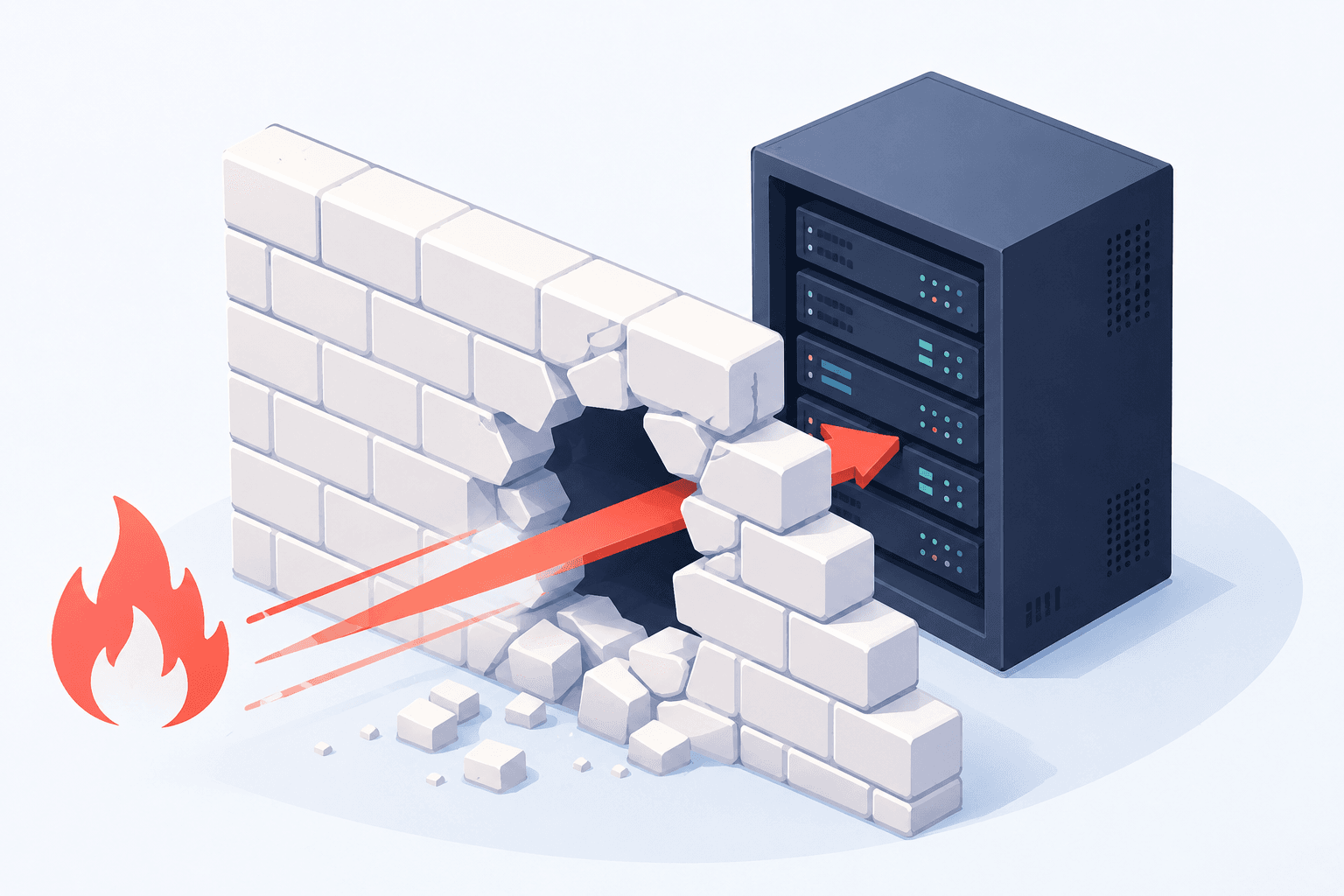
What Copy Fail is in simple terms: a flaw in the Linux kernel crypto path that could let an unprivileged user escalate to root on affected systems. The issue centers on how certain in place optimizations affected the page cache and memory handling, enabling a four byte write through the splice() interface in some scenarios. This is not about data being stolen from disk; it’s about gaining elevated privileges through memory state that could be manipulated during runtime. We know this can be alarming, and we want you to feel supported and informed.
Why this matters for multi-tenant environments: because the page cache can be shared across containers, an exploit in one container could potentially reach the host and other containers. We recognize the concern this raises for Kubernetes, CI runners, and shared Linux hosts. You deserve clear, practical protection and ongoing visibility into how we keep things secure.
Concrete steps you can take now
For teams running containerized workloads, ensure your pod security policies are up to date and review namespace isolation settings. We recommend running critical services on dedicated nodes when possible and enabling memory safeguards provided by your platform, such as limited page cache sharing and tuned cgroup configurations.
At the application layer, implement principle of least privilege for processes that interact with crypto operations. For example, avoid running untrusted code in the same runtime as sensitive services and enable runtime security agents that alert on unusual memory patterns. We’ve added policy rules that automatically restrict risky interfaces and log any attempts to use AF_ALG sockets.
What we patched and how: we implemented the kernel fixes that revert the in place optimization and restore proper buffer separation. In the interim, we disabled risky components such as algif_aead and blocked AF_ALG socket creation where possible. These steps reduce the attack surface without compromising service quality. We are continuing to follow security advisories and vendor guidance from major Linux distros to ensure we stay ahead of any related developments.
We also conducted a targeted impact review across environments to identify hosts with mixed kernel versions and coordinated staged rollouts to minimize disruption. In practical terms, this means you can expect seamless service while we apply deeper kernel fixes during the next maintenance window, with plenty of lead time and monitoring.
What this means for you: you can continue to rely on GillyTech as a security-conscious partner. We maintained transparent communication, and our team remains vigilant with ongoing monitoring, rapid patching, and proactive defenses. If you have questions about how Copy Fail could affect your specific setup, our security team is ready to assist with guidance tailored to your environment.
Related Video
Introduction
We understand that news about a new Linux vulnerability can feel unsettling. Copy Fail, tracked as CVE-2026-31431, is a local privilege escalation flaw that can let an unprivileged user gain root access on affected systems. At the heart of the issue is a misused 4-byte write and related kernel interfaces that could expose powerful capabilities to someone with limited access. We aim to provide clear, calm guidance to help you stay secure.
At GillyTech, your security and peace of mind remain our top priorities. We monitor emerging threats and respond with focused, rapid actions to protect our infrastructure and readers. When Copy Fail emerges, we assess risk across the Linux kernel, user space, and exposed interfaces such as AF_ALG and related socket operations. We then translate those findings into practical steps for patching and hardening.
- We stay current with vendor patches as they become available.
- We verify patch status across all servers to maintain a consistent security baseline.
- We communicate the practical impact and our mitigation posture clearly and compassionately.
For readers, this means you will receive a straightforward explanation of what Copy Fail does, why it matters, and how we protect our services and visitors. We are here to support you with transparent, measured actions and ongoing vigilance.
Concrete steps you can take now
Prepare by identifying systems that expose kernel interfaces vulnerable to similar flaws. For example, inventory servers with AF_ALG usage or custom kernel modules that rely on small write operations. In practice, create a quick checklist: confirm kernel version, verify patch level, and test reboot-less mitigations in a staging environment before broader rollout.
Implement mitigations such as applying the latest security patches, enabling only necessary kernel features, and reviewing access controls on services that interact with sockets. If a patch isn’t yet available, temporarily restrict privileges for untrusted users and monitor for unusual socket activity. We’ll continue to publish step by step guidance tailored to your platform as details evolve.
We recognize that misconfigurations and edge cases can still occur. If you rely on custom kernel modules, validate compatibility with the patched kernel and maintain a rollback plan. Our team prioritizes explaining risks in plain language, so you know what to expect and how to recover quickly.
2. How Copy Fail Enables Local Privilege Escalation
Copy Fail centers on a logic flaw inside the Linux kernel that can be triggered by an unprivileged user, paving a path to elevated privileges. We keep the explanation calm and clear so you can follow the flow without feeling overwhelmed. The key takeaway is that timely patching is essential to keep systems safe.
Exploitation chain using a 4 byte write
At the heart of Copy Fail is a small memory operation described as a 4 byte write. When misused, this action can influence kernel state in ways that expose sensitive operations to a non-privileged user. We describe this as a sequence where a basic account can affect critical paths, potentially leading to root access.
- Small writes interact with kernel data structures in ways that should be restricted.
- Improper sequencing can misroute control flow within certain interfaces.
- The result can open a path to root level capabilities without initial privileged access.
Role of authenticated user access and setuid-root binaries
Authenticated users who can interact with specific kernel interfaces may exploit weaknesses in privilege boundaries. Setuid-root executables and privileged sockets can amplify impact if misconfigurations exist. Think of this as legitimate access becoming a stepping stone for broader goals, rather than an automatic breach.
- Setuid-root binaries are common touchpoints for privilege escalations when misused.
- Authenticated sessions touching AF_ALG and related interfaces can be vectors if not carefully controlled.
- Defensive measures focus on least privilege and strict access controls for these components.
Proof of concept mechanics and cross distribution reach
Early demonstrations show consistent behavior across major Linux distributions, underscoring broad impact. The mechanics rely on predictable kernel pathways, helping explain why the exploit gained traction quickly. We keep the discussion grounded, noting that patches aim to close these same pathways across environments.
- Portability stems from shared kernel interfaces and common privilege boundaries.
- Proofs of concept emphasize minimal prerequisites, highlighting the importance of prompt remediation.
- Differences between distros are addressed by patches and kernel updates to align protections.
Practical steps you can take now
- Audit setuid-root binaries and tighten their usage to only essential paths, removing unnecessary ones where possible.
- Verify access controls on privileged sockets and kernel interfaces, and implement least privilege for any service that touches them.
- Apply vendor patches promptly, and test updates in a staging environment before production rollouts.
- Monitor for unexpected kernel events or crashes that could indicate exploitation attempts, and enable enhanced logging on sensitive interfaces.
Related Video
3. Patches, Mitigations, and Patch Window
Vendor responses and kernel fixes
We understand how quickly disclosures move and how important timely patches are for business continuity. Linux kernel maintainers and major vendors acted quickly to address the core logic flaw exposed by Copy Fail. The fixes tighten authentication paths and limit risky interactions with AF_ALG and related interfaces, reducing the surface available to abuse. We approach these updates with care, balancing security with service stability as patches roll out so you remain protected without unnecessary disruption.
For example, many teams adopted a staged rollout, testing patches on non production hosts before broader deployment and scheduling updates during quiet windows to minimize user impact. In environments with automated configuration management, teams pinned kernel versions to known good revs and relied on vendor advisories to guide reboots and service restarts, reducing rollback risk. If you use container orchestration, you may also need to refresh node images and revalidate daemon processes to ensure all components operate with the patched kernel.
Recommended mitigations for servers running Linux
- Enable vendor provided kernel updates as a first priority and apply them within your maintenance window.
- Audit access to privileged socket interfaces and restrict unprivileged user capabilities where possible.
- Review setuid-root binaries and minimize their use to reduce potential amplification paths.
- Implement layered monitoring to detect unusual activity around cryptographic components and page cache interactions.
How to verify patch status on GillyTech infrastructure
We run automated checks across all servers to confirm patch application and kernel version alignment. Verification includes cross referencing package manager records with kernel headers and running sanity tests to ensure services stay responsive after updates. Our internal dashboards surface any drift from the approved baseline so we can respond quickly if a patch is delayed or incomplete.
4. Implications for GillyTech Servers and QUIC.cloud Protection
We understand that a broad vulnerability like Copy Fail can ripple through server environments. Our approach is to stay calm, communicate clearly, and strengthen defenses quickly. Below, you’ll find practical implications for LiteSpeed deployments, how QUIC.cloud Bot Protection intersects with this patch landscape, and the tailored hardening steps we’ve implemented for GillyTech setups.
Security implications for LiteSpeed environments
Copy Fail highlights risks in cryptographic interfaces and privilege boundaries. We review how these interfaces are accessed to ensure unprivileged users cannot leverage delicate kernel pathways to reach higher privileges. Our aim is to preserve service availability while tightening access points that could be misused.
- Limit exposure of cryptographic sockets and related interfaces to trusted processes only.
- Audit module loading and enforce strict privilege boundaries to prevent shadowed paths to root access.
- Monitor page cache interactions for unusual patterns that align with exploitation attempts, while maintaining performance.
Impact on QUIC.cloud Bot Protection integration
Security tooling that analyzes network behavior remains essential. We ensure that Bot Protection rules do not introduce unintended privilege escalations and that detection logic stays effective after kernel hardening. The integration continues to operate with minimal latency, reflecting our commitment to safety and user experience.
- Review rule evaluation paths to avoid privilege amplification within the protection stack.
- Keep anomaly baselines aligned with updated kernel and user-space protections.
- Validate that exploit detection signals remain accurate post-patch, with clear incident signals for operators.
Hardening steps tailored for GillyTech setups
We’ve implemented a concise hardening blueprint focused on risk reduction without sacrificing service health. The steps emphasize layered defense and operability across the fleet. Changes are validated before broad rollout and rolled out with care.
- Enforce strict access controls around AF_ALG and related interfaces, especially for unprivileged users.
- Apply least privilege principles to setuid-root binaries and related executables.
- Strengthen monitoring dashboards to correlate kernel events with authentication and cryptographic activity.
5. Detection, Monitoring, and Incident Response
We understand that early detection brings calm to a stressful moment. Our approach centers on steady observation and clear, compassionate steps so you feel supported while threats are contained.
Indicators of exploitation
Look for signs that align with Copy Fail behavior without relying on timing quirks. We keep observations straightforward so operators can review them calmly.
- Unusual changes to page cache activity or irregular access patterns on crypto interfaces.
- New or unexpected privilege elevation attempts from unprivileged users, particularly around socket interfaces and AF_ALG pathways.
- Alerts tied to setuid-root binaries showing unexpected execution flow or altered permissions.
- Log anomalies indicating rapid privilege escalation attempts across multiple hosts.
Tools and techniques for detection beyond race-window exploits
We augment race-window checks with practical, dependable methods that fit everyday operations and preserve service stability.
- Kernel event monitoring focused on abnormal memory and page cache activity linked to cryptographic operations.
- Integrity verification of critical binaries and kernel modules to detect tampering.
- Unusual process ancestry tracing to identify adopted parent-child relationships during suspicious runs.
- Cross-host correlation dashboards that surface coordinated or repeated patterns across the fleet.
Response playbook for a potential Copy Fail incident
Our playbook centers on calm, methodical containment and transparent communication with you, avoiding panic while restoring trust.
- Isolate affected services while preserving core availability for unaffected workloads.
- Validate patch status and confirm kernel versions align with approved baselines across hosts.
- Collect and preserve forensic data, then perform a guided triage to determine scope and impact.
- Engage stakeholders with clear, empathetic updates and a plan for remediation and verification.
FAQ
We understand you may have questions about Copy Fail and our response. We aim to answer clearly while maintaining a calm, supportive tone.
What is Copy Fail and why does it matter to Linux systems? Copy Fail is a local privilege escalation issue that could allow an unprivileged user to gain root access on affected kernels. By explaining how it works, we focus on practical mitigations and patch status without causing alarm.
How quickly did we respond at GillyTech? We prioritized rapid verification and patching, updating every affected server within minutes of completing our risk assessment. We value steady, careful implementation to protect service continuity.
What should I check on my servers now? Besides patch status, verify your kernel version against approved baselines, ensure setuid-root binaries are tightly controlled, and monitor for unusual cryptographic activity as part of normal hygiene. For example, review kernel headers and confirm your patch level matches the vendor advisory, then run a quick audit of privileged binaries with tools like tripwire or AIDE, and set up automated alerts for anomalous crypto processes.
Will this affect ongoing services like auth crypto or AF_ALG usage? Legitimate workloads using these interfaces should continue to operate, but it remains important to validate configurations, isolate cryptographic paths, and apply least-privilege practices to reduce exposure. In practice, you can sandbox crypto workers in containers, enforce caps on credentialed processes, and routinely test failover scenarios to ensure uninterrupted service.
What resources are available if I need more detail? We provide practical guidance focused on clear, actionable steps, prioritized by risk level, so you can align security actions with your operational needs and comfort level. Our knowledge base includes a step-by-step patching checklist, vendor advisories with CVE references, and a quick baseline for TLS and kernel hardening.
Conclusion
We understand that headlines about Copy Fail can feel unsettling. At GillyTech, we stay calm and keep you informed. We patched our Linux servers promptly and maintain a secure posture you can rely on, without distraction.
Practically, this means our environments align with tested baselines, and we continuously monitor for unusual activity. We aim for steady performance and robust defenses so your workloads run smoothly while security remains a steady, practical companion.
- Patch status: confirmed across all monitored hosts within minutes of disclosure, with automated verification logs available on request.
- Infrastructure posture: routine integrity checks and baseline verifications executed nightly, plus quarterly external audits for fresh insights.
- Operational continuity: disciplined change management with rollback plans and targeted hardening applied before major deployments.
References
Copy Fail Exposes Every Major Linux Distro Since 2017 – YouTube
Copy Fail: an exploit for all Linux distributions since 2017 – Reddit
New Linux ‘Copy Fail’ flaw gives hackers root on major distros
“Copy Fail”: The Most Alarming Linux Bug in a Decade – SOCFortress
“Copy Fail” gives root access to all Linux systems via 732-byte exploit